
Top side hustles in this guide
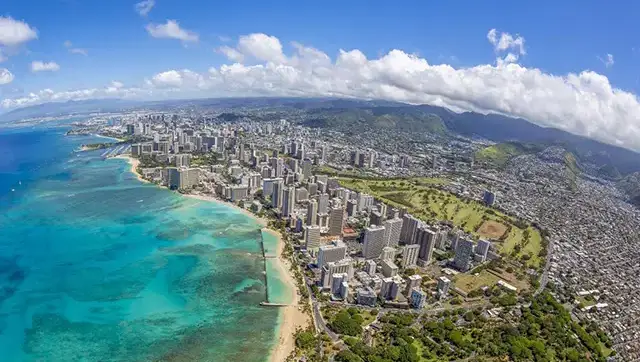
Living in Hawaii means trading mainland prices for ocean views, and the trade isn't cheap. Housing, groceries, gas and utilities all cost more than almost anywhere else in the country. That's why so many residents run side hustles in Hawaii — and why the smart ones lean into what makes the islands different: millions of visitors a year, a strong military presence, a rich craft and food culture, and a time zone that leaves your afternoons free if you work for mainland clients.
This updated guide covers 16 practical ways to make money in Hawaii, what they typically pay, what they cost to start, and the one tax rule every island side hustler needs to know: the general excise tax license.
Why side hustles make sense in Hawaii
- Tourism demand. Visitors fill Waikiki, Maui's resort coasts, Kona and Kauai's North Shore year-round, with peaks in winter (whale season and mainland escapees) and summer. They spend on tours, lessons, photos, transportation and food.
- Military families. Joint Base Pearl Harbor-Hickam, Schofield Barracks and Marine Corps Base Hawaii in Kaneohe bring constant moves in and out — and demand for cleaning, pet care, childcare and selling household goods.
- Local culture. Farmers markets, craft fairs and festivals support makers of everything from jewelry to baked goods.
- Time zone advantage. Mainland clients start their day before you do, so remote workers can finish client calls by early afternoon and still hit the beach.
If you're on Oahu specifically, our guide to the best side hustles in Urban Honolulu goes deeper on neighborhoods and city-specific gigs.
Hawaii side hustles compared
| Side hustle | Typical pay | Startup cost | Time to first dollar |
|---|---|---|---|
| Vacation rental cleaning | $25–$45/hr or per turnover | $100 in supplies | 1–2 weeks |
| Food delivery / rideshare | $18–$28/hr before gas | Car | 1–2 weeks |
| Tour or activity guide | $20–$35/hr plus tips | $0 with an operator | 2–4 weeks |
| Surf instruction | $20–$40/hr plus tips (with a school) | Certifications | 2–4 weeks |
| Photography | $150–$500 per session | Camera, $500+ | 2–6 weeks |
| Handmade goods | Varies by product | $100–$500 plus booth fees | Next market |
| Online freelancing | $25–$80/hr | Laptop | 2–6 weeks |
| Online tutoring | $20–$60/hr | Laptop, headset | 1–3 weeks |
Tourism side hustles
1. Tour and activity guide
Visitors want people who know the islands: hiking guides, snorkel guides, food tour hosts, cultural and history tours. The easiest start is part-time work with an established operator that already holds the permits you need for state parks, beaches and harbors. Once you know the ropes, you can build your own small-group offering. Respect for culture and place matters — guests and locals can tell the difference.
2. Surf and ocean lessons
Surf lessons are iconic in Hawaii, but commercial instruction on state beaches requires permits from the Department of Land and Natural Resources, and permits are limited in busy spots like Waikiki. Most instructors start with a permitted surf school, with lifeguard or water-safety and CPR certifications. Stand-up paddle and snorkel instruction follow similar rules.
3. Vacation, wedding and proposal photography
Couples fly to Hawaii to get married, renew vows and propose, and families want beach portraits. Sunrise and sunset sessions at spots like Lanikai, Ka'anapali or Hapuna fill quickly. Note that some beaches and parks require commercial photography permits, so check before you book.
4. Vacation rental cleaning and turnovers
Legal vacation rentals and hotel-condo units need fast, reliable same-day turnovers, especially on Maui, Kauai and in Waikiki. Property managers pay steady rates to cleaners who never miss a check-in. Short-term rental rules are strict and changing — Oahu limits short stays outside resort areas and Maui County has moved to phase out many apartment-district vacation rentals — so work with licensed, legal properties.
5. Event planning and staffing
Weddings, luaus, corporate retreats and graduation parties keep planners, servers, bartenders and setup crews busy. Start by working events for caterers and venues, then take your own clients. If you want to officiate weddings, Hawaii requires a license from the state Department of Health.
6. Beach and snorkel gear rental
Visitors don't want to fly with snorkels, boogie boards and beach chairs. Renting gear (or delivering it to rentals) is a simple add-on to cleaning or concierge services. Check permits before operating on public beaches.
Local service side hustles
7. Food delivery and rideshare
DoorDash, Uber Eats and Uber/Lyft are busiest on Oahu and Maui. Airport runs at Daniel K. Inouye and Kahului, Waikiki hotels and dinner rushes in Honolulu, Kailua and Kihei are the best windows. Gas is expensive here, so track your net rate. Our Lyft and Uber guide covers sign-up.
8. Pet sitting and dog walking
Hawaii's strict animal quarantine rules make pets harder to travel with, so residents who fly to the mainland often need sitters. Military families on TDY and deployments add steady demand. Rover works, but base and neighborhood Facebook groups are where many clients look.
9. Military family services
PCS season brings move-out cleanings, inspection prep, babysitting, car detailing and help selling furniture and cars. Reliable providers near Pearl Harbor-Hickam, Schofield and Kaneohe get booked through word of mouth.
10. Part-time real estate (including affordable housing)
Housing is the islands' biggest issue, and buyers need agents who understand first-time-buyer programs, leasehold properties and affordable-housing options. You'll need a Hawaii real estate salesperson license (a pre-license course plus a state exam) and a sponsoring broker. It takes months to pay off, but one commission can equal a season of other gigs.
Maker, food and farm side hustles
11. Handcrafted goods
Jewelry, prints, soaps, resin art, clothing and home decor sell at farmers markets, craft fairs and swap meets across the islands, and online to people who fell in love with Hawaii on vacation. Good photos make online sales; a product photo light box helps. Be respectful with Hawaiian cultural motifs and never label products "Made in Hawaii" unless they truly are — the state regulates that claim.
12. Farmers market food and produce
Backyard mango, avocado, citrus and banana trees can become cash at local markets, and home bakers can sell certain shelf-stable foods under Hawaii's homemade food rules. Check Department of Health requirements before selling anything perishable.
13. Seasonal coffee and farm work
On the Big Island, the Kona coffee harvest typically runs from late summer into winter, and farms need pickers and processing help. Macadamia, flower and produce farms across the islands also hire seasonally. It's hard work, but flexible and very Hawaii.
Online side hustles (paradise-proof income)
14. Freelance writing, design and marketing
Hotels, tour operators and local businesses need website copy, social content and ads, and mainland clients pay mainland rates. Start on Fiverr or Upwork, then build direct retainers. Travel and lifestyle blogging can grow into ad and affiliate income over time.
15. Online tutoring and teaching
Teach mainland students during their afternoons — your late mornings. Math, reading, test prep and ESL are steady, and local families also pay for in-person help. If you have deep expertise, package it into a course on Udemy.
16. Phone-based gigs and content
Short-form travel content, user-generated videos for brands and stock photos of island scenery can all be shot on a phone. See our list of side hustles you can start with just your smartphone for more ideas.
Best side hustles by island
- Oahu: the most volume for delivery, rideshare, event staffing and military-family services, plus Waikiki tourism work. Honolulu also has the most remote-work-friendly coworking and internet options.
- Maui: resort-area turnovers, wedding photography, activity guiding in Ka'anapali, Wailea and Kihei, and rebuilding-related demand in West Maui. Check current rental rules carefully.
- Big Island: coffee and farm work around Kona, tour guiding near the volcano and the Kohala resorts, and farmers market selling in Hilo and Kona.
- Kauai: smaller but high-paying tourism niches — North Shore and Poipu photography, rental cleaning and outdoor guiding.
Hawaii's GET license: the rule every side hustler needs
This is the part most newcomers miss. Hawaii doesn't have a typical sales tax — it has a general excise tax (GET) on gross receipts from almost any business activity, including services, freelancing, crafts and gig work.
- You need a license. Anyone receiving business income in Hawaii must register with the Department of Taxation for a GET license. Apply online at Hawaii Tax Online with Form BB-1; the fee is a one-time $20.
- The rate. The state rate is 4%, and every county adds a 0.5% surcharge, so most side hustlers owe 4.5% of gross receipts.
- It's on gross, not profit. GET is calculated on what you take in before expenses. Price it in — many businesses show a GET pass-on on invoices.
- File regularly. You file periodic returns (monthly, quarterly or semiannually depending on how much you owe) plus an annual reconciliation.
- Rentals have extra taxes. Rentals of less than 180 days also owe transient accommodations tax (the state rate rose to 11% in 2026) plus a county TAT.
- Income tax still applies. Hawaii income tax rates run from 1.4% up to 11%, on top of federal income tax and 15.3% self-employment tax.
Use the estimator below to see how much to set aside from each payment:
Side Hustle Tax Calculator
Estimate the federal self-employment tax and income tax on your side income, plus what to set aside each quarter.
How to start a side hustle in Hawaii
- Choose one hustle that fits your island. Oahu has the most gig and tourism volume; Maui and Kauai lean resort; the Big Island adds farm and outdoor work.
- Get your GET license. Register on Hawaii Tax Online before your first sale — it costs $20 and takes days, not weeks.
- Check permits for beaches and parks. Commercial activity on public land often needs a DLNR or county permit.
- Network the island way. Word of mouth, community Facebook groups and repeat customers drive most local business.
- Price for Hawaii costs. Include GET, higher gas and supply prices in your rates, and set aside money for taxes from day one.
Make it work in paradise
The best side hustles in Hawaii serve visitors who want an unforgettable trip, neighbors who need dependable help, or mainland clients who don't care where you open your laptop. At Better Side Hustles, our advice is simple: pick one, get your GET license, and give it 90 days. If you're comparing the islands to another coastal city, our San Diego guide covers a similar tourism-and-military mix on the mainland.
Frequently asked questions
What are the best side hustles in Hawaii?
The strongest side hustles in Hawaii tie into tourism or work remotely for mainland clients: vacation rental cleaning, tour and activity guiding, photography, food delivery and rideshare in Honolulu, surf instruction with a permitted school, handmade goods at farmers markets, and online freelancing or tutoring. Military-family services near Oahu bases are another steady niche.
How can I make money in Hawaii fast?
Sign up for DoorDash, Uber Eats or Uber/Lyft on Oahu or Maui, pick up vacation rental cleaning shifts, or apply for seasonal hospitality and event work. These can pay within one to two weeks. Selling items on Facebook Marketplace or Craigslist (furniture and cars sell quickly with residents constantly moving) can bring cash in days.
Do I need a GET license for a side hustle in Hawaii?
Yes. Hawaii requires anyone receiving income from business activity in the state — including freelancers, crafters and gig workers — to get a General Excise Tax license from the Department of Taxation. Registration is a one-time $20 fee through Hawaii Tax Online, and you then file periodic GET returns on your gross receipts.
How much is the general excise tax on side income in Hawaii?
The state GET is 4%, and all four counties add a 0.5% surcharge, so most side hustlers pay 4.5% on gross receipts. It applies to services as well as goods, and it is calculated on gross income, not profit. Many businesses add a visible GET pass-on to invoices to cover it.
Can I work remotely from Hawaii for a mainland company?
Yes, and it is one of the best ways to earn in Hawaii. Hawaii Standard Time runs two to three hours behind the West Coast and five to six behind the East Coast, so early mornings overlap with mainland business hours and afternoons are free. Remember that Hawaii income tax applies if you live in the state.
Is driving for Uber or DoorDash worth it in Hawaii?
It can be on Oahu and Maui, where airport runs, Waikiki hotels and resort areas keep demand steady. Gas costs more than on the mainland, so track your true hourly rate after fuel and mileage. Evening dinner rushes and airport peaks usually pay best.

Better Side Hustles Editorial Team. We research side hustles the practical way — platform fees, real pay ranges and what it takes to land your first dollar. How we write our guides.
Last reviewed October 26, 2026. Pay ranges are estimates and vary by city, season and effort. This article may contain affiliate links; see our disclosure.